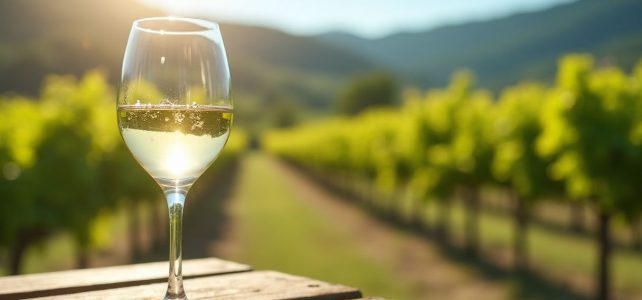
In the enchanting world of French wines, Chablis stands as a symbol of purity and elegance. Nestled in the heart of Burgundy, this white wine has captivated enthusiasts with its unparalleled minerality and freshness. The vines of Chablis, bathed in a unique climate that oscillates between continental and oceanic, offer an exceptional terroir that imparts distinct aromas and an exceptional texture to this nectar. Over the decades, Chablis has continued to enchant palates around the world, carving its way among the best whites on the planet.
Origins and Unique Terroir of Chablis
Chablis draws its renown from its exceptional terroir and rich history. Located in the northern part of Burgundy, the vineyard spans approximately 5,800 hectares, dotted with limestone soils that give the wines their unique character.
- Historical origin: the first traces of viticulture in the Chablis region date back to Roman times. However, it was the monks of the Pontigny Abbey in the 12th century who truly developed the culture of wine, recognizing the potential of this exceptional terroir.
- Exceptional terroir: the soil of Chablis is primarily composed of Kimmeridgian limestone, a type of soil rich in marine fossils dating back to the Jurassic period. This geological peculiarity profoundly influences the aromatic profile of the wines, imparting striking minerality and vibrant freshness.
- Influential climate: the temperate continental climate of the region, which alternates between cold winters and warm summers, also plays a fundamental role in the quality of the grapes, promoting slow and gradual maturation.
Vinification and Style of Chablis Wines
Every step of the vinification process for Chablis is meticulously orchestrated to preserve the integrity of the fruit and express the richness of the terroir. The winemakers of the region are passionately committed to this quest for excellence.
The grapes, primarily of the Chardonnay variety, are carefully hand-harvested to avoid any alteration. Once harvested, the grapes are gently pressed, and the juice is then fermented in stainless steel tanks to preserve the purity of the aromas. Some producers choose to age their wines in oak barrels, adding an extra touch of complexity. Chablis wines often display a brilliant hue and an aromatic palette that oscillates between citrus notes, white flowers, and flint nuances.
Classifications and Appellations of Chablis
The Chablis region offers a diverse range of wines, classified according to their origin and quality. These classifications help guide enthusiasts in their choices, with distinct levels of finesse and complexity.
- Chablis Grand Cru: these are the most prestigious wines of the region, sourced from seven distinct climates. They are distinguished by their richness and aging potential, offering a complex aromatic palette.
- Chablis Premier Cru: these wines come from selected vineyards, often located on well-exposed hillsides, and offer an excellent balance of finesse and complexity.
- Chablis: representing the majority of production, these wines are renowned for their freshness and mineral character.
- Petit Chablis: sourced from more recent soils, these wines offer a more accessible approach, ideal for discovering the characteristics of Chablis.
Gastronomic Pairings with Chablis
A good wine knows how to elevate a meal, and Chablis is no exception. Its liveliness and minerality make it a perfect companion for a multitude of dishes. The Chablis wine is particularly prized for pairing with refined dishes.
Enthusiasts often pair it with seafood, such as oysters, which harmonize beautifully with its freshness. Sauced fish, poultry, and even certain goat cheeses reveal new gustatory dimensions when paired with this wine. For the more adventurous, Chablis can also enhance Asian dishes, bringing a note of elegance and lightness.
Chablis, with its minerality and purity, establishes itself as an exceptional wine that captivates with its apparent simplicity and underlying complexity. By exploring its historical richness, precise vinification methods, and gastronomic pairings, one glimpses all the know-how and passion that animate this emblematic wine region of Burgundy.