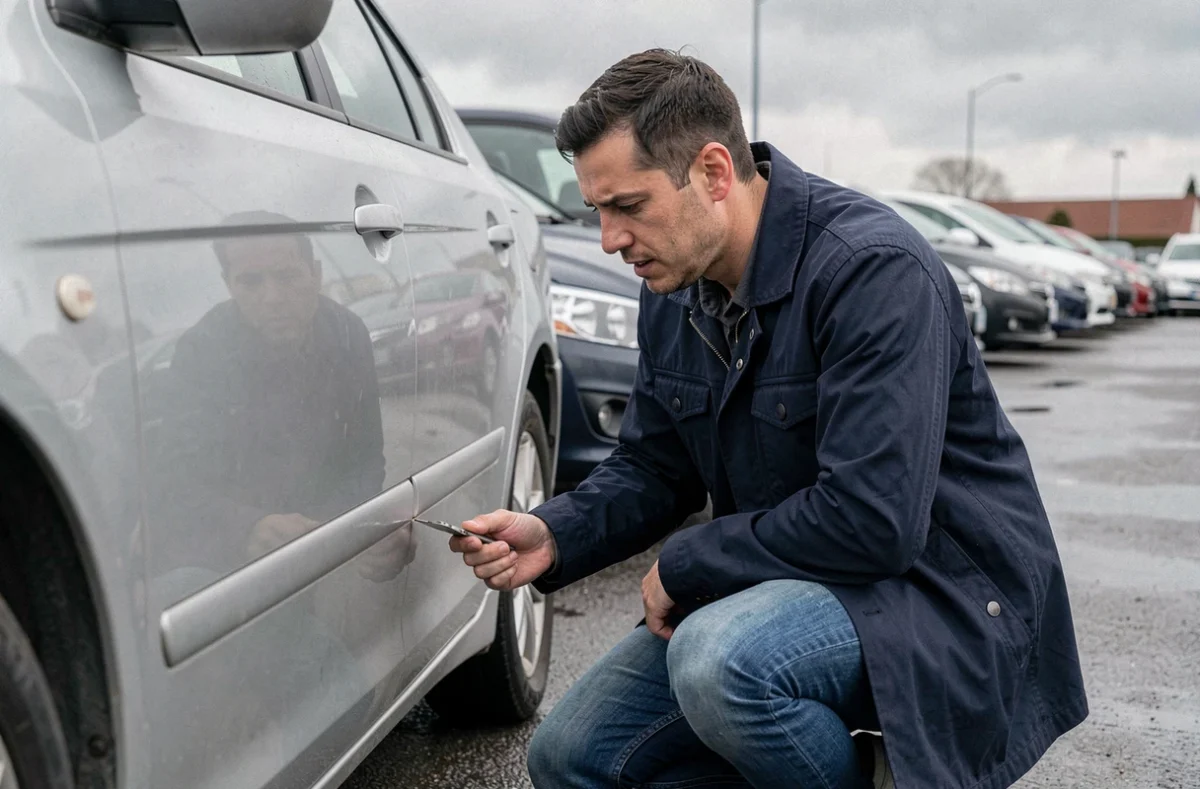
Buying a used car online means assessing a vehicle without touching it, hearing the engine, or feeling the clutch. This constraint changes the approach. Digital platforms offer a wide catalog and quick comparison tools, but they shift the responsibility of verification onto the buyer. Knowing what to look for, in what order, and with which tools makes all the difference between a good deal and a regrettable purchase.
Battery Certificate and Mileage: What Really Matters Depending on the Engine Type
Are you looking for a combustion engine used car? Mileage remains a reliable benchmark. A petrol or diesel engine wears out in proportion to the kilometers driven, and the maintenance history allows you to check that the service intervals have followed the manufacturer’s schedule.
For a used electric car, the logic is different. The state of health of the battery matters more than the displayed mileage. This document, called the State of Health (SoH) certificate, measures the remaining capacity of the battery compared to its original capacity.
According to CapCar data reported by L’Automobile Magazine in September 2026, buyers are placing increasing importance on this certificate. An ad that does not provide it is a warning sign, even if the vehicle shows low mileage.
Why this distinction? Because a battery degraded to 70% of its capacity significantly reduces the vehicle’s actual range, and its replacement often costs several thousand euros. Demand this document before any negotiation on an electric model.
Some platforms specializing in the sale of used vehicles offer detailed sheets including the technical history and, sometimes, the battery certificate. This is the case on gap-online.fr, where professional listings include this information to facilitate remote comparison.

Warranty and Sales Channel: The Direct Impact on Your Buyer Rights
Buying from a professional or a private seller is not the same legally. This often underestimated distinction determines the level of protection you benefit from after the purchase.
Purchase from a Professional
A professional is bound by the legal warranty of conformity. If the vehicle has an undisclosed defect in the listing, you can request a repair, replacement, or refund. This warranty also applies to online purchases.
The site economie.gouv.fr specifies that vehicles displayed by a professional must have mandatory labeling indicating the make, model, year of first registration, mileage, and sale price. Online, this information must be included in the listing.
Purchase Between Private Individuals
No legal warranty of conformity applies between private individuals. Only the warranty for hidden defects can be invoked, but the burden of proof lies with the buyer. In practical terms, you must prove that the defect existed before the sale and that the seller was aware of it.
This sales channel has another concrete consequence recently. According to Capital (October 2026), financial aids for purchasing used electric cars exclude transactions between private individuals. To benefit from financial assistance on an electric model, you must go through a professional.
Reading an Online Listing: The Details That Reveal the Vehicle’s True Condition
A well-written listing guarantees nothing. It’s the peripheral details that speak. Here’s what to systematically check before contacting a seller:
- The photos: count them. Fewer than six photos, with none of the interior or dashboard, signal a seller who is hiding something or not taking the sale seriously.
- The consistency between mileage and year: a five-year-old vehicle showing very low mileage may indicate intensive urban use (clutch, brakes) or a tampered odometer. Request the history report.
- Vague mentions: “a few signs of use” or “a slight noise when starting cold” deserve written clarifications before any visit or commitment.
- The price compared to the market value: a price significantly lower than the Argus or La Centrale value for a comparable model should raise suspicion, not enthusiasm.
Always request the vehicle history report (Histovec, Autovista, or equivalent). This free or low-cost document indicates declared accidents, ownership changes, and administrative status. A seller who refuses to provide it tells you everything you need to know.

Used Electric Car Market in 2026: A Context to Consider Before Buying
The used electric car market has moved quickly. According to Les Échos (September 2026), the demand for used electric vehicles has significantly increased in France, putting pressure on prices for the most accessible models.
For the online buyer, this changes the game. A well-positioned listing for a sought-after electric model can disappear in a matter of days. The room for negotiation shrinks on these vehicles, unlike combustion engine used cars where the supply remains broader.
According to CapCar data published in September 2026, an electric vehicle sold on average faster than a comparable combustion vehicle. This speed of turnover means that hesitating too long on a serious listing can cause you to lose the vehicle, but you also shouldn’t rush without having checked the SoH and the history.
A successful online purchase relies on three pillars: verifying documents before traveling, buying from a professional to benefit from solid warranties, and adapting your inspection criteria to the vehicle’s engine type. The rest is patience and method.