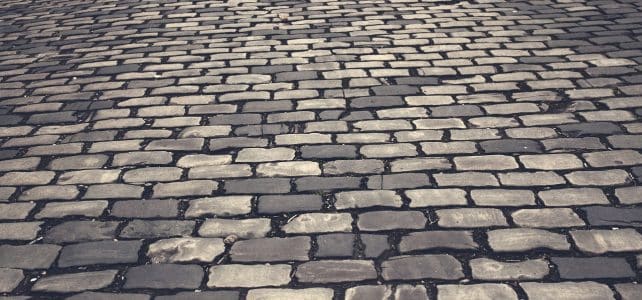
Travertine is a natural stone appreciated for its rustic beauty and varied shades, ranging from beige to brown to white. Used for millennia in construction and decoration, it is now favored for flooring, walls, and countertops. However, to preserve its splendor and durability, it is crucial to protect it from moisture and stains. Water-repelling travertine is an essential step to ensure its longevity and appearance. Here’s how to effectively protect your travertine.
Why Water-Repel Travertine?
Water-repelling travertine is an indispensable step to ensure its protection against external aggressions. Without this precaution, the stone can quickly deteriorate.
Travertine is a porous stone, which means it can easily absorb water and other liquids. This can lead to unsightly stains and structural damage. Additionally, moisture can promote the growth of mold and moss, especially in damp areas such as bathrooms and kitchens. Water-repelling the stone creates a protective barrier, preventing liquids from penetrating and causing damage.
Surface Preparation
Before applying a water-repellent product, it is essential to properly prepare the surface of the travertine to ensure optimal adhesion and maximum effectiveness of the treatment. Here are the steps to follow:
- Deep Cleaning: Use a specific detergent for natural stones to clean the surface. Avoid acidic products that can damage the stone.
- Complete Drying: After cleaning, allow the surface to dry for at least 24 hours. Any trace of moisture can compromise the effectiveness of the water-repellent.
- Repairing Imperfections: If the surface has cracks or holes, use a travertine filler to fill them. This will allow for an even application of the water-repellent product.
Choosing the Water-Repellent Product
There are several types of water-repellent products for travertine. The choice of product will depend on the use of the stone and the desired result.
Water-based repellents are often used for indoor surfaces. They are environmentally friendly and do not emit strong odors. However, their effectiveness may be slightly lower than that of solvent-based products. Solvent-based repellents, on the other hand, offer more durable protection and are better resistant to tough stains. They are often recommended for outdoor surfaces or high-traffic areas.
- Natural Appearance: Some products leave the appearance of the stone unchanged, ideal for those who wish to maintain the authentic look of travertine.
- Wet Effect: Other products give a slightly glossy appearance to the stone, enhancing its natural colors and veins.
Application of the Water-Repellent Product
Once the surface is prepared and the product chosen, it’s time to apply it. Follow these steps for optimal results:
Wear gloves and a mask to protect yourself from any fumes from the product. Using a brush, roller, or sprayer, apply the product evenly to the surface of the travertine. Make sure to cover all areas, including joints. Allow the product to penetrate for the time indicated by the manufacturer. This allows the water-repellent to form a protective barrier deep within. For optimal protection, apply a second coat after the first has dried. This ensures complete coverage and increased durability.
Allow the surface to dry completely before using it. This can take several hours or even a full day, depending on the product used and ambient conditions.
Regular maintenance of your water-repellent travertine is essential to prolong the life of the treatment. Clean the surface with mild products and reapply the water-repellent every 1 to 2 years, depending on wear.