
In the icy vastness of Alaska, Les Brown faced the wild nature, far from civilization, to survive under the watchful eye of the cameras. The show featuring him, promising authenticity and adventure, revealed a side often hidden in these survival programs. Behind the scenes of bravery and courage lay a much darker reality. The physical exhaustion, the risks taken, and the psychological impact on participants like Brown raise ethical questions. These shows, while entertaining the public, sometimes jeopardize the well-being of adventurers for the thrill of television.
The Behind-the-Scenes of Survival Shows: Les Brown’s Testimony
Les Brown, an iconic figure in survival shows, shared an experience that contrasts sharply with the heroic image often portrayed by these programs. Participating in an extreme adventure in the hostile expanses of Alaska, he described difficult filming conditions, far removed from the staged scenarios perceived by the public on screen. The reality, tinged with unexpected dangers and insurmountable challenges, stands in stark opposition to the sanitized version broadcasted. In his account, Brown does not fail to highlight this dichotomy between raw reality and its televised interpretation.
Beyond the physical aspect, Les Brown discusses the psychological challenges he had to face. The weight of solitude, constant anxiety, and lack of resources shaped a mental ordeal of unprecedented intensity. The emotional impact of these experiences is often underestimated and can leave indelible marks. Brown’s experience takes a particularly poignant turn when he mentions the Les Brown Alaska death friend, a tragic event that marked his adventure and illustrates the seriousness of the risks involved.
Confronting the romanticized version of survival shows with the reality experienced by participants like Les Brown opens the eyes to the less glamorous behind-the-scenes of these programs. The risks are not only physical but also psychological. Participants are subjected to extreme pressure, often for the spectacle, raising ethical questions about the responsibility of the producers of these shows. Through his testimony, Brown invites reflection on the glorification of survival and its often-overlooked consequences on the individual.
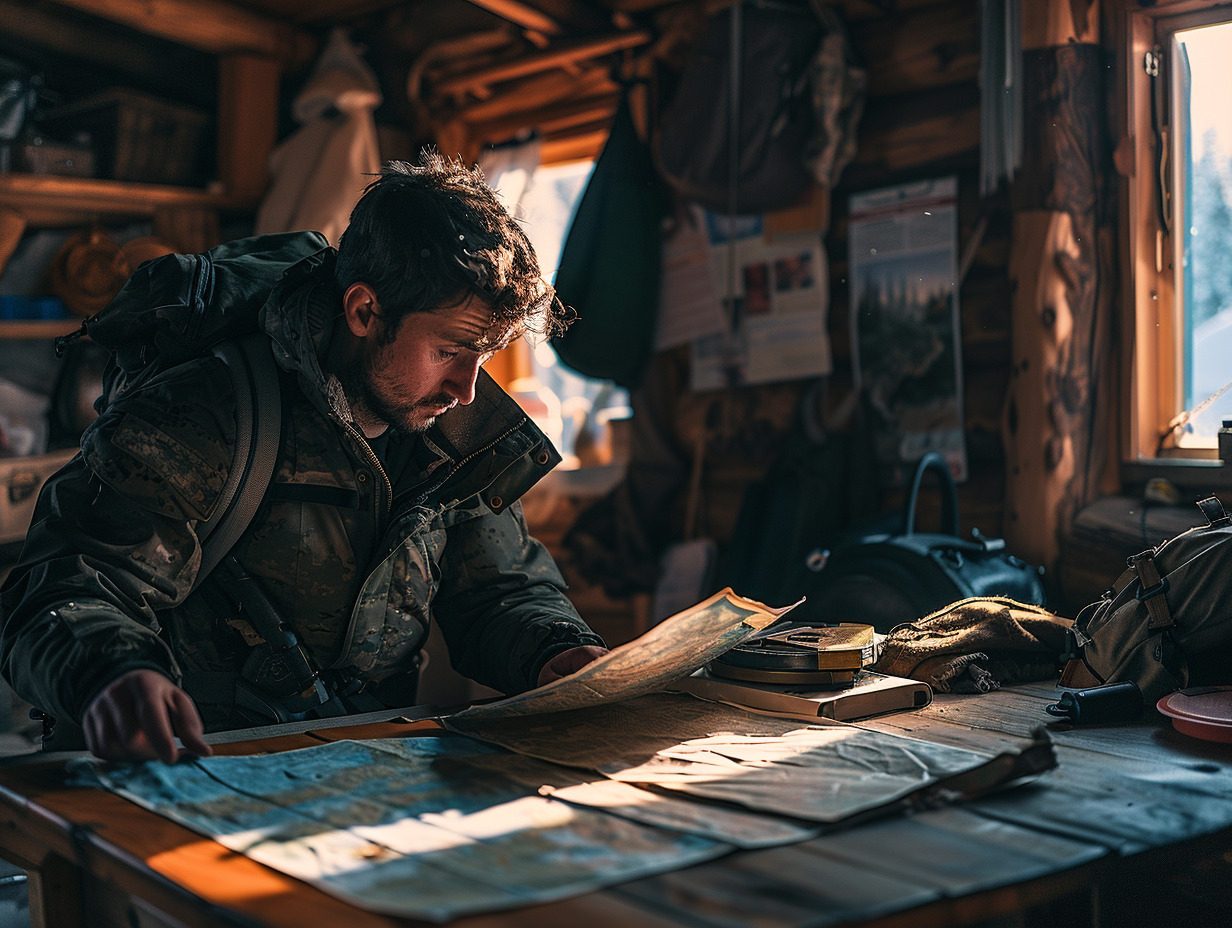
Impact and Consequences of Survival Shows on Participants and the Environment
Consider the participants of these survival shows, plunged into extreme conditions for the entertainment of the public. Some, like Les Brown, emerge with post-traumatic disorders, silent witnesses to the trials they endured. Their mental health, put to the test, can suffer lasting effects from this exposure to intense and continuous stress. The stories of these adventurers break the silence on the invisible scars left by the cameras after their departure.
Their impact does not stop with humans; it extends to the environment, often regarded as mere scenery. The filming locations, chosen for their wild beauty and isolation, can suffer significant ecological damage. The wildlife and flora, disturbed by the presence of the filming crew and participants, struggle to regain their natural balance.
The influence of these shows on public perception is also worth questioning. They tend to promote, sometimes unwittingly, disrespectful behaviors towards nature, glorifying a conquering approach to survival. This biased representation risks encouraging harmful attitudes among viewers, who might imitate these practices without understanding the consequences.
Consider the broader environmental impact of these television productions. They often require distant travel, with a significant carbon footprint. The construction of temporary camps, the use of specific equipment, and the management of generated waste raise questions about the ecological responsibility of the producers. These producers, engaged in a race for viewership, must become aware of their role in preserving the ecosystems they use as backdrops for their survival narratives.