Each season brings its share of new silhouettes, but current fashion trends share a common point: they mix past references with very contemporary material and cut choices. Rather than chasing every micro-trend, understanding the few underlying movements allows for building a unique and modern style without emptying your closet every six months.
Quiet luxury vs. mob wife aesthetic: two coexisting visions of style
Have you noticed that some outfits seem very understated while others display an overt maximalism? This contrast summarizes the main tension in current fashion.
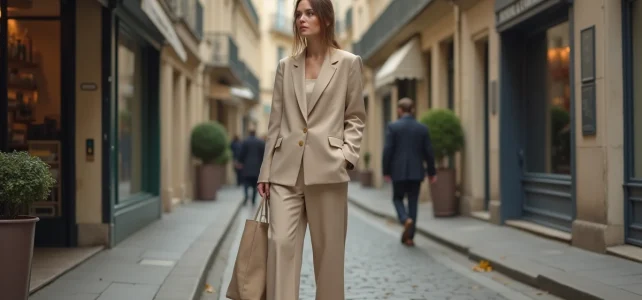
On one side, quiet luxury favors noble materials and discreet logos. The principle is simple: a fine-knit sweater, well-tailored trousers, neutral colors. No visible logos, no loud prints. The quality of the fabric speaks for itself. Pinterest Predicts 2025 and the Lyst Index for the first quarter of 2025 confirm a marked increase in searches related to this aesthetic since late 2024.
On the other hand, the mob wife aesthetic goes in the opposite direction: synthetic fur, leopard prints, flashy jewelry. This style borrows from the codes of series and cinema to create theatrical, bold outfits. Both reports mention a parallel increase in saves and searches for these terms.
The most interesting part is that these two currents do not exclude each other. Today, in fashion on Scooporama, there are pieces that allow for navigating between these two poles depending on the occasion, such as mixing a minimalist oversized blazer with a more expressive accessory.
Proportions and oversized cuts: reading current silhouettes
Wide cuts dominate the spring-summer 2026 collections, but not just any way. The basic principle: one loose piece per outfit, the rest remains fitted. Wide trousers are worn with a more fitted top. An oversized blazer pairs with straight jeans or cigarette pants.
The barrel jean, the key cut of the season
This rounded cut at the thighs and tapered at the ankle creates a unique silhouette. It works well with flat-soled sneakers or mules. A common mistake is to pair it with a top that is too loose, which drowns the silhouette.
The oversized sweater worn in summer
Wearing a loose sweater when it’s hot can be surprising. The choice of material changes everything: a lightweight cotton or a blended linen in airy knit works as a comfortable sun protection layer. The shades to favor this season range from butter yellow to sand beige.
Playing with proportions remains the most effective way to modernize a wardrobe without buying massively. Sometimes, simply changing the cut of one type of garment can transform the overall look.
Trendy colors and prints: what to wear concretely
The spring-summer 2026 runways confirm some clear directions in terms of colors and patterns.
- Butter yellow emerges as the key color of the season. Softer than bright yellow, it can easily be worn as a main piece (dress, shirt) or as an accessory (bag, scarf).
- Stripes are making a comeback in wide formats, often in two colors. They work particularly well on shirts and fluid trousers.
- Arty patterns, inspired by painting, are gradually replacing classic floral prints. They can be found on dresses and t-shirts.
- Beige and brown remain safe bets to anchor an outfit in the quiet luxury aesthetic.
Why do these soft shades dominate? The general trend is moving away from the saturated colors of previous seasons. Dull palettes allow for easier mixing of pieces, which fits into a logic of sustainable wardrobe.
European regulation on textile eco-design: what changes for your purchases
Fashion articles rarely talk about regulation. Yet, this deserves your attention because it will concretely change the available offer in stores in the coming years.
The European Union adopted the Eco-design Regulation for sustainable products in 2024, which explicitly includes textiles. Three measures will gradually transform the market:
- A digital product passport will accompany each garment, detailing its composition, place of manufacture, and production conditions.
- Brands will need to design their pieces to be durable and repairable, not just aesthetic.
- The destruction of unsold items will be limited, which should reduce overproduction.
The European Commission confirmed in early 2025 that the first obligations for clothing would gradually apply during the second half of the 2020s. In practical terms, this means that clothes sold in Europe will be subject to measurable quality criteria, not just marketing.
For your purchases, this evolution encourages an approach already consistent with current trends: favoring well-cut pieces in materials that last several seasons, rather than disposable clothing based on the latest micro-trend.
Accessories and shoes: the pieces that make the difference
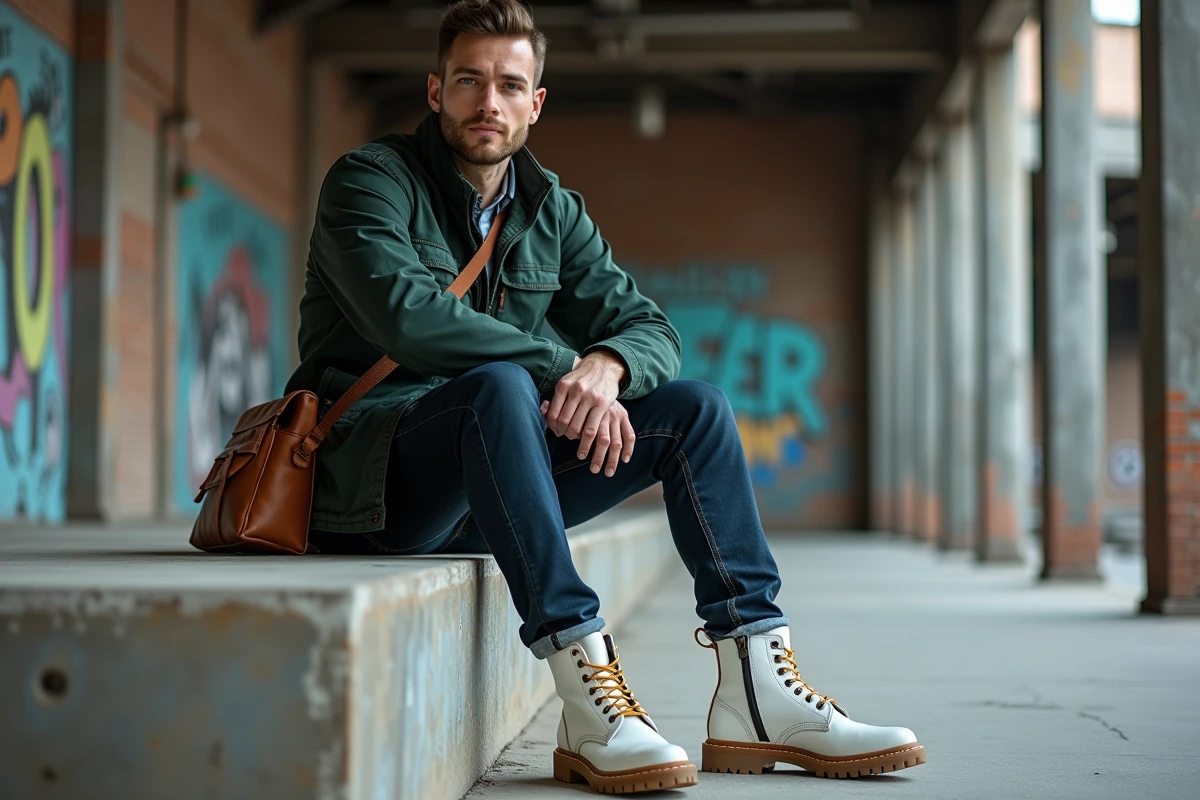
Accessories remain the most accessible lever to follow fashion trends without renewing your entire wardrobe. This season, chunky-soled sneakers coexist with minimalist sandals. The choice depends on the intended style.
On the bag front, compact formats are returning after several seasons of large totes. Jewelry follows the same logic of contrast: thick chains for a bold look, fine and discreet rings for a quiet luxury style.
A single well-chosen accessory can elevate an outfit from ordinary to remarkable. A silk scarf tied on a bag, a structured belt over a fluid dress, a pair of geometric earrings with a round collar. These details cost less than a complete garment and often create a more visible effect.
This season’s fashion trends share a common thread: they reward thoughtful choices. Betting on cuts that structure the silhouette, easy-to-match colors, and accessories with strong personality allows for building a style that is both current and personal, without relying on constant renewal.